How long does sperm live?
Sperm can live up to five days inside the female reproductive tract. However, the chances of pregnancy are highest within the first 24 hours after sperm enters the body. While sperm may survive for several days, their ability to fertilize an egg decreases over time, so timing intercourse or insemination close to ovulation is key.
If you want to increase your chances of conception, the best time to perform insemination or have intercourse is around 24 hours after your LH surge. This is when ovulation is likely to occur, and your chances of conception are highest.
Here is a more detailed breakdown of how long sperm can survive:
- Inside the female reproductive system
Sperm cells can live up to five days in the female reproductive tract, depending on their initial quality. This means that fertilization can happen if intercourse or insemination takes place within these days, even if ovulation has not yet occurred. However, sperm motility and fertilizing ability decrease over time. Sperm that has been inside the body for 4-5 days is less likely to cause pregnancy than sperm introduced close to ovulation. The egg itself is only viable for about 12-24 hours after ovulation, so timing insemination carefully maximizes your chances. - Outside the body
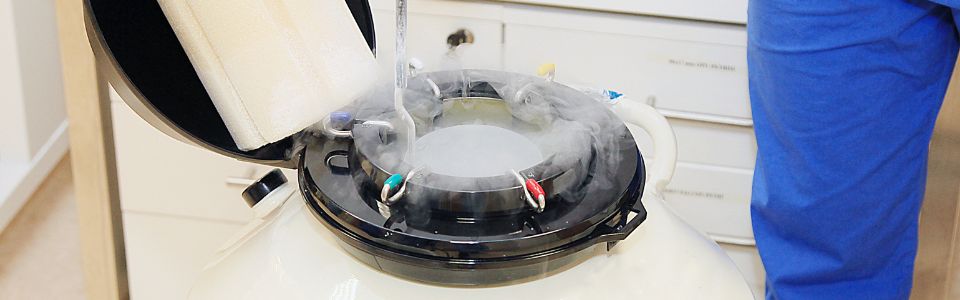
When exposed to air, sperm typically die within hours – depending on the surface – unless they are frozen and in a cryo-tank. On a dry surface, such as clothing or bedding, sperm are dead by the time the semen has dried. - Frozen
If sperm is frozen shortly after ejaculation using correct cryopreservation techniques, it can remain viable for many years without reducing the chance of pregnancy. Learn more about sperm freezing and storage.
Does using frozen sperm affect my chances of getting pregnant?
No. The success rate of clinical pregnancies is not affected by using frozen sperm compared to fresh sperm (source: Long-term cryostorage of semen in a human sperm bank does not affect clinical outcomes - ScienceDirect).
Using frozen donor sperm for home insemination or fertility treatment is a common way to achieve pregnancy for single women, LGBTQ+ couples, and heterosexual couples struggling with male infertility.
What factors influence the chances of survival for sperm?
Several factors can affect how long sperm survive and remain functional after ejaculation, including:
- Sperm quality
- The environment surrounding the sperm cells (such as cervical mucus)
- Temperature
- Storage concentration (in the case of freezing)
How long does sperm survive after insemination?
Sperm can survive inside the body for up to five days after insemination, but their motility and ability to fertilize an egg decrease over time.
The best time to perform insemination is around 24 hours after your LH surge, which typically indicates that ovulation will occur within 24 to 36 hours.
To improve your timing:
- Track your cycle: Monitor your menstrual cycle for 1–2 months to identify your most fertile days.
- Use ovulation tests: These measure the level of luteinizing hormone (LH) in your urine. A surge in LH usually signals that ovulation is approaching. Ovulation tests are available in most pharmacies and supermarkets.