Unintended genetic consequences of chemotherapy: Insights into somatic mutations and fertility
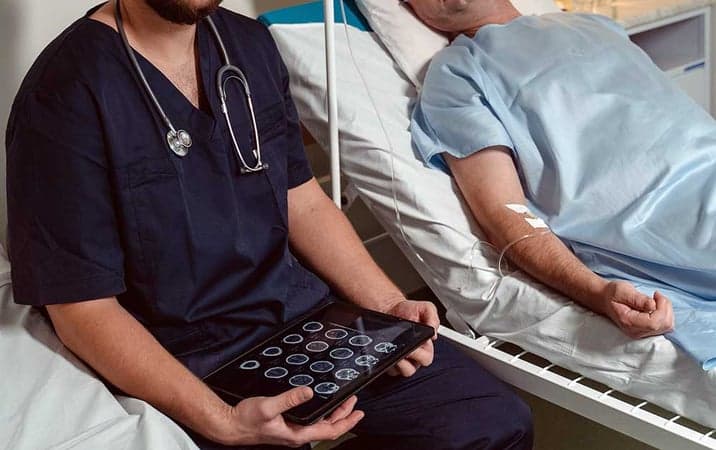
Chemotherapy, used to treat cancer, damages DNA to inhibit cancer growth. Yet, its effect on normal healthy cells, especially in sperm, remains largely unknown. A recent study looks into this question by utilizing advanced sequencing techniques to examine the impact of chemotherapy in various tissues, with profound implications for fertility and future generations.
Understanding the study
Researchers collected semen samples from 35 individuals exposed to different chemotherapy treatments and 32 control samples. They focused on the mutational burden, which represents the number of mutations present in the DNA. Among 12 samples, 9 exhibited elevated mutation levels, with one subject having an alarming over 10-fold increase. This subject's saliva also displayed heightened mutation rates, suggesting individual susceptibility to genetic changes. Experiments on mice treated with chemotherapy supported these findings.
Implications for fertility
The study's outcomes suggest that relying on stored sperm for future fertility might be a safer choice, even if individuals remain fertile after chemotherapy. The reason is that chemotherapy seems to increase the likelihood of genetic mutations in sperm. These mutations, when passed on to offspring, can lead to various health conditions. While patients might still be able to conceive naturally, there is an elevated risk of transmitting these mutations to their children.
Understanding Mosaic mutations
Mosaic mutations are changes in DNA that occur in cells due to factors like aging or external influences such as chemotherapy. These mutations can lead to various health issues, including cancer. The study's significance lies in its ability to directly observe the accumulation of mosaic mutations caused by chemotherapy, shedding light on the link between cancer treatment and premature aging.
Genetic impact on offspring
Sperm carries genetic information that can be passed on to children. When mutations occur in sperm, they can result in new mutations in the next generation. Recent studies have shown that these "de novo" mutations arising from the father's side can lead to conditions like autism and developmental disorders in offspring.
Conclusion
The study's findings underscore the genetic consequences of chemotherapy beyond cancer treatment. Elevated mutation levels in various tissues, including sperm, have raised concerns about fertility and potential health implications for future generations. The research encourages the use of stored sperm for fertility purposes, even in cases where natural conception might still be possible. These insights emphasize the need for a broader understanding of the genetic impact of cancer treatments and open the door for further studies to explore the nuances of this relationship.