Many people will at some point in their lives experience fertility issues. There can be many reasons for infertility but also great possibilities to overcome it. At Cryos we are here for you, and we are ready to assist you in every step of your way to becoming a parent. Read on to learn more about female infertility and how we can help to make your dream of a child come true.
What is female infertility?
Female infertility refers to the inability to conceive after 12 months of regular, unprotected intercourse caused by problems in the female reproductive system or the inability to carry a pregnancy to term. Despite struggling with female infertility, many women end up conceiving after fertility treatment, with others needing medical intervention or help from an egg donor to fulfill their dream of a child.
Signs of female infertility
The most common sign of female infertility is no positive pregnancy test after 12 months of unprotected intercourse. Of course, this can be related to the man’s fertility too. Other signs of female infertility include irregular or absent menstrual cycles, painful periods, hormonal imbalances (with symptoms such as acne or hair growth), and difficulty maintaining a pregnancy. If you notice any of these symptoms, consider consulting a doctor.

Causes of female infertility
Female infertility is caused by various factors, with the most common cause of female infertility being age. Women are born with all the oocytes (premature eggs) they will ever have. Each month thousands of oocytes are released during your menstrual cycle, meaning that when you are in your mid-thirties, you have significantly less high-quality oocytes than when you were in your mid-twenties. Other causes of female infertility include:
- Ovulation problems: Your body must produce and release an egg once a month. If this ovulation does not happen frequently, you may experience difficulties in conceiving. Ovulation problems can be caused by hormonal disorders like PCOS (polycystic ovarian syndrome) or problems in the ovary, such as premature ovarian failure.
- Poor egg quality: Even though you are in your mid-twenties, your egg quality may be low, making it difficult to obtain a healthy pregnancy with your eggs.
- Blocked fallopian tubes: If your fallopian tubes are damaged or blocked, it can hinder the sperm from reaching the egg or block the fertilized egg from getting into the uterus.
- Endometriosis: Endometriosis is also a common reason for infertility, as the tissue implants can cause inflammation and scar tissue around the ovaries or fallopian tubes.
What is infertility?
Infertility is defined by the failure to get pregnant after trying for a year or more without success. Some of the most common causes of female infertility are the absence of ovulation, PCOS (polycystic ovarian syndrome), or endometriosis, with the most common cause of male infertility being the inability to produce or transport sperm. Some people also struggle with unexplained infertility, where it is difficult to pinpoint the exact cause of infertility.
Dealing with infertility
If you are trying to get pregnant and so far without success, remember that it is perfectly normal to need several tries before conceiving naturally. Trying for months without a positive pregnancy test does not mean that you are infertile, and even if you are dealing with infertility, it does not mean that you cannot become parents. Most couples who experience infertility will achieve pregnancy at some point. If a pregnancy is not obtained within the expected time frame or without help, you might have to readjust your expectations regarding your path to parenthood. This can be both stressful and emotional.
In the TED talk below, Camille Preston shares how she and her husband faced this challenge and how supportive friends played a crucial role in overcoming the struggle of infertility. If you are more into podcasts, we recommend following the link to our podcast recommendations for women struggling with infertility.
How to get pregnant with female infertility
It is perfectly normal to need months of trying before you get a positive pregnancy test. But, if you have tried for a year without success, you may want to consider the following options to get pregnant:
- Keep trying: For some, all it takes is more time. If you have no signs or symptoms of female reproductive issues, you might decide to be patient, keep trying, and perhaps agree on a date in the future where you will consider consulting a doctor if you have not received a positive pregnancy result by then.
- Consult your doctor: You may suffer from unknown diseases hindering you or your partner's reproductive system. Often, there is a treatment method available for your specific problem.
- Treatment with donor eggs: Some people are unable to conceive using their own eggs. To them, treatment with donor eggs is a good option, as it maintains a genetic relationship between the father and the child.
If you are considering donor eggs as a path to parenthood, our egg bank offers a wide selection of high-quality donor eggs to help you on your journey. Contact us to learn more about your options and how we can assist you in achieving your dream of having a child.
Success stories from couples with donor-conceived children
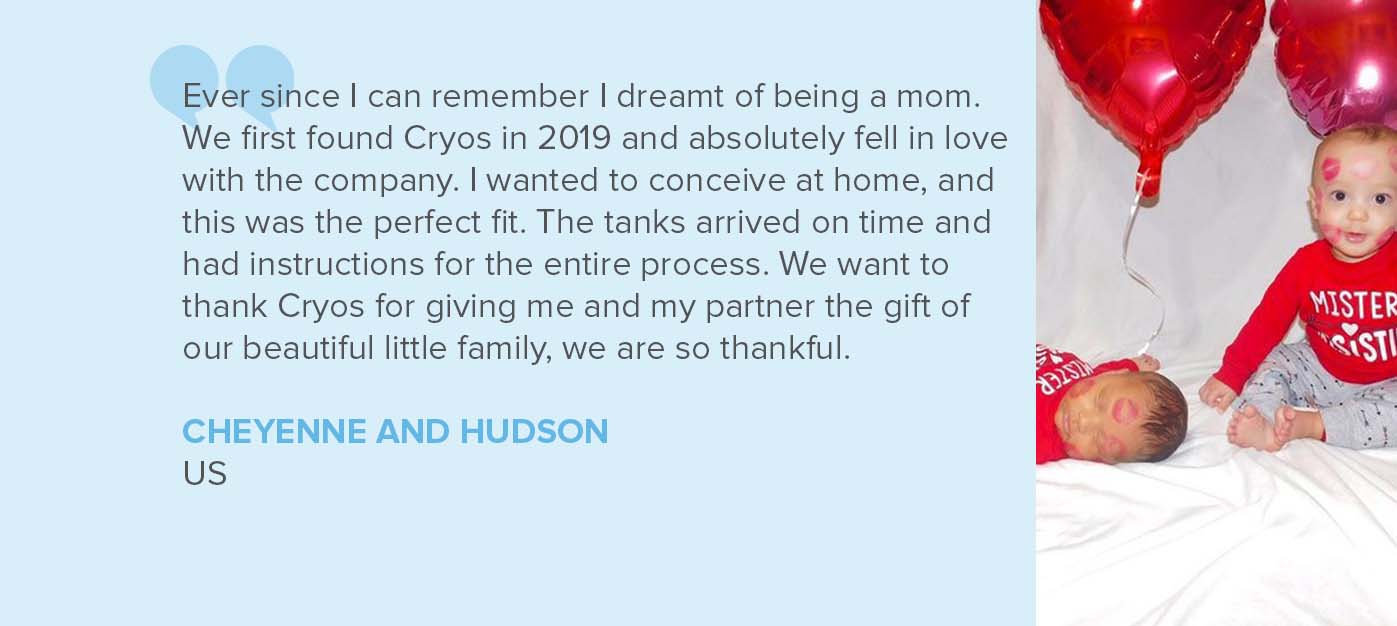
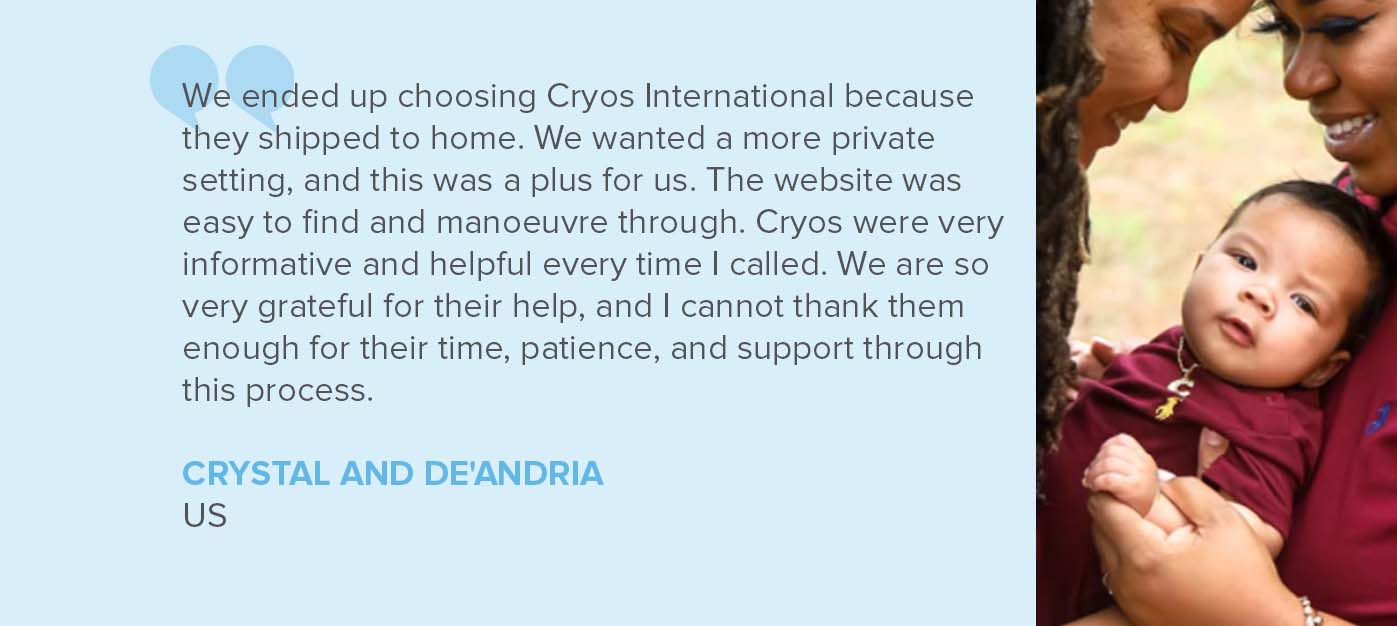

Connect with others who experience infertility problems
It can be comforting to share thoughts and experiences with people in the same situation as you. We encourage you to join our private Facebook group Family Dreams, where the members can talk about fertility treatment, donor eggs, and all related topics on their journey towards parenthood.
Resources for couples experiencing infertility
If you want to read more about couples experiencing infertility and how to proceed with fertility treatment, then follow the links below:
FAQ about female infertility
How common is female infertility?
Female infertility is quite common, as studies show that around 1 out of 6 couples experience fertility problems, with 1/3 of these being caused by problems with the female reproductive system.
What is the most common female factor in infertility cases?
Age is the most defining factor in terms of female fertility, which also makes it the most common factor in female infertility cases.
Does masturbation cause female infertility?
No, masturbation does not cause female infertility. Female infertility is caused by things like age-related issues, PCOS, or diseases affecting the female reproductive system.