Most people dream of starting a family at some point in their lives. But the journey towards parenthood can look different from one couple to another. Some couples conceive after their first try, while others must endure a long and exhausting journey through various rounds of fertility treatment.
What is male infertility?
If you have tried to conceive for more than a year, without a positive pregnancy test, you are considered infertile. Male infertility is defined as the inability to conceive a child because of problems in the male reproductive system. There can be several reasons for male infertility, like an unhealthy lifestyle or physical conditions affecting sperm production.
Signs of male infertility
Trying to conceive for more than a year without a positive pregnancy test is a sign of male infertility. However, it is difficult to identify signs of male infertility, in general, as you need to examine the sperm in a microscope. Clear signs of male infertility are the absence of sperm in your ejaculation, if the sperm has a different color than usual, or if you experience pain when ejaculating.
Many couples become parents despite being infertile, as they get treatment or increase their fertility through lifestyle changes. Continue reading to learn everything you need to know about male infertility and how using a sperm donor can be a good solution to help fulfill your dreams of parenthood.

Causes of male infertility
Various factors related to lifestyle or physical conditions can affect the male reproductive system. If you suspect male infertility issues, we recommend you consult a doctor to undergo a complete medical examination to find the cause of the problem.
Lifestyle issues
Your sperm quality varies over time, as the male body constantly produces new sperm. Therefore, you can improve your sperm quality relatively quickly. Changes in lifestyle may be seen in your sperm quality within 3-4 months. Here is an overview of the lifestyle causes that affect male fertility, as well as advice on what to do to improve your sperm quality:
- Smoking: It is well-proven that smoking is bad for your fertility. If you are trying to conceive, you should exclude cigarettes from your everyday life.
- An unhealthy diet: A healthy and varied diet can improve your sperm quality.
- Exercise: A supplement to a healthy diet is regular exercise. However, it is important to start slow, as too much exercise can harm your sperm quality.
Physical conditions
Physical conditions affecting the male reproductive system can be more challenging to address than lifestyle issues. Depending on the severity of your physical condition, you may be able to conceive through fertility treatment or surgery. Here is an overview of the most common conditions affecting the male reproductive system:
Low sperm quality
Two factors influence sperm quality: the number of sperm cells (sperm count) and their ability to move (sperm motility). Your sperm quality can be affected by various factors like your age, general health, hormone balance, or any medication you take. If you have low sperm quality, IVF or ICSI may help to increase your chances of success.
Physical blockage
Before being ejaculated, the sperm must travel from the testicles to the penis. If there is a blockage, it can affect the sperm count. However, if the blockage is removed, there is a chance that the sperm quality improves.
Azoospermia
Azoospermia is a fertility diagnosis for men where no active sperm cells are present in a semen sample. It can be caused by a blockage that prevents the sperm from being ejaculated or a fault in sperm production. If a fault in sperm production is causing infertility, it will be difficult to conceive using your own sperm.
What is infertility?
Infertility occurs when a couple has tried to get pregnant for a year without success. Some of the most common causes of female infertility are the absence of ovulation, PCOS (polycystic ovarian syndrome), or endometriosis, with the most common cause of male infertility being the inability to produce or transport sperm. Some people also struggle with unexplained infertility, where it is difficult to pinpoint the exact cause of infertility.
Dealing with infertility
Regardless of the reason, infertility can be very emotionally challenging for a couple. The grief of infertility is similar to the 5 stages of grief, referred to when experiencing the loss of a loved one. Therefore, it is important not to neglect the feelings and struggles experienced during infertility. Even though it can be hard to let people in and talk openly about infertility, you should remember that with 1 out of 6 couples going through this at some point, it is more common than you might think.
In the TED talk below, you can hear Camille Preston talk about how she and her husband dealt with an uncontrollable challenge. She also shares how good friends became important in overcoming the struggle of dealing with male infertility.
How to get pregnant with male infertility
If you have been diagnosed with male infertility, do not worry, as many men have conceived even though being diagnosed with infertility. Here is an overview of the three most popular methods for men diagnosed with infertility to enter parenthood.
Lifestyle changes
Lifestyle affects your fertility and ability to conceive naturally. An unhealthy lifestyle with cigarettes, high-fat food, and limited exercise can impact your ability to conceive. Therefore, if you want to improve your chances of conceiving, you should quit smoking, reduce your alcohol intake, and add more variation to your diet.
Fertility treatment
Sometimes changes in your lifestyle are not enough, and you need to consider fertility treatment like IUI, IVF, and ICSI to improve your chances of success. Treatments like IVF and ICSI can improve your chances of getting pregnant with a low sperm count or quality in general.
Treatment with donor sperm
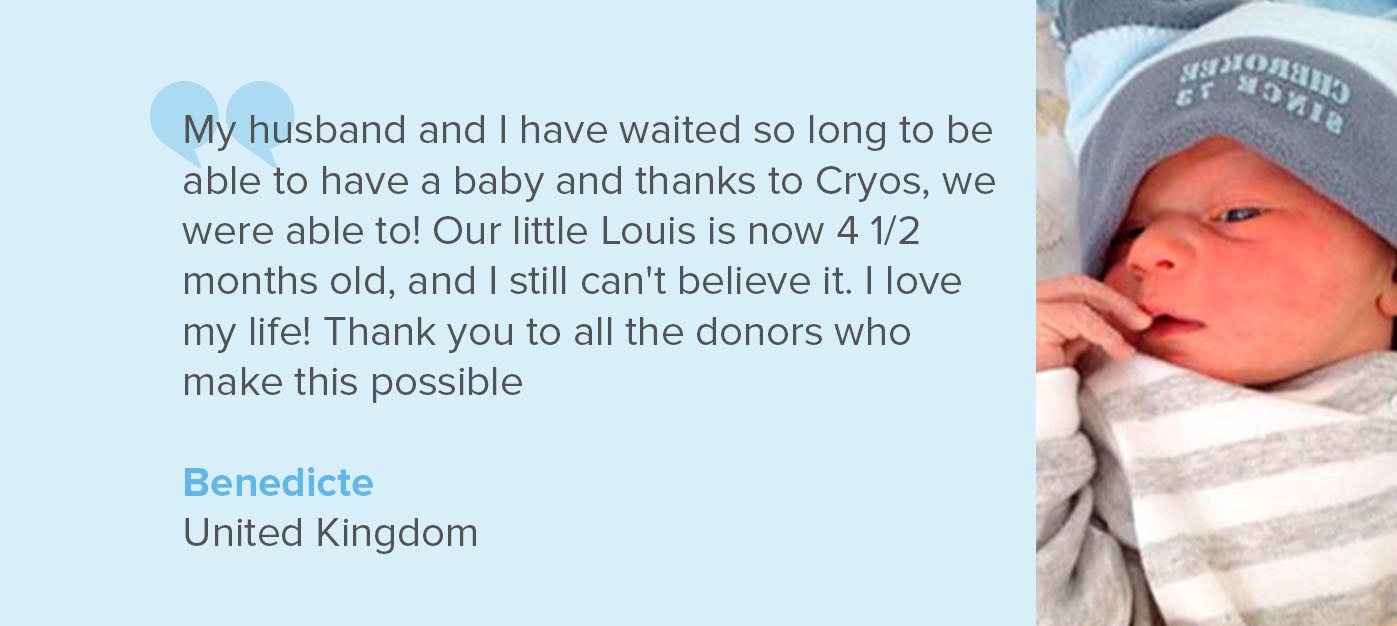
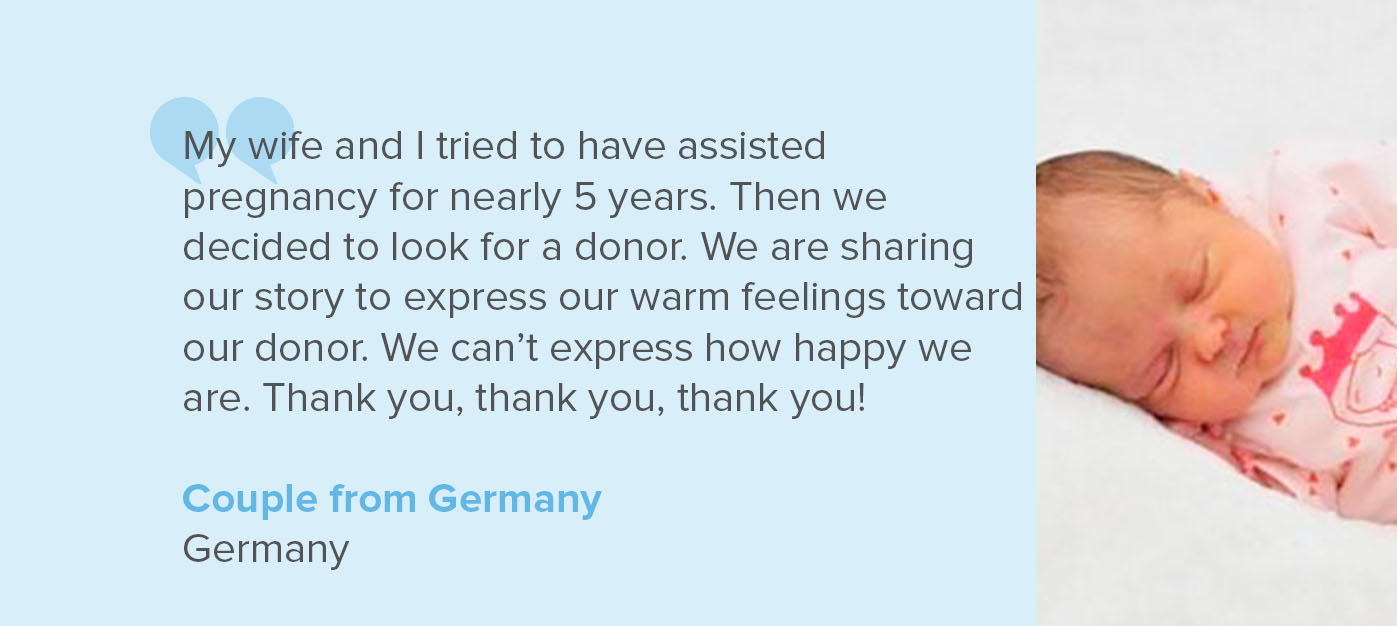
If treatment with your own sperm fails, using a sperm donor is another option. Realizing that you need donor sperm to fulfill your dreams of a child may be hard, but many couples have used a sperm donor to achieve their dreams. You can read some of the heartfelt messages we have received from heterosexual couples we helped over the years or follow the link to see the available donors in our free Sperm Donor Search.
Success stories from couples with donor-conceived children
You can read more success stories from happy parents to donor-conceived children here.

Connect with others who experience infertility problems
It can be comforting to share thoughts and experiences with people in the same situation as you. We encourage you to join our private Facebook group Family Dreams Cryos USA, where the members can talk about fertility treatment, donor sperm and all related topics on the journey towards parenthood.
Resources for couples experiencing infertility
If you want to read more about couples experiencing infertility and how to proceed with fertility treatment, then follow the links below:
FAQ about male infertility
How common is male infertility?
Male infertility is quite common, as studies show that around 1 out of 6 couples experience fertility problems at some point. In approximately 1/3 of cases, infertility is caused by problems with the male reproductive system.
Can you fix male infertility?
In some cases, yes. If your sperm quality is low because of your lifestyle, it is possible to improve it. In other cases, you need fertility treatment and perhaps help from a sperm donor to fulfill your dream of having a child.